Construction Technology | August 31, 2026
Concrete Moisture Testing Before Finished Flooring: A Smarter Pre-Installation Check for Custom Homes
Elarkx Solution approaches construction technology as a way to make thoughtful building decisions easier to coordinate, inspect and explain.
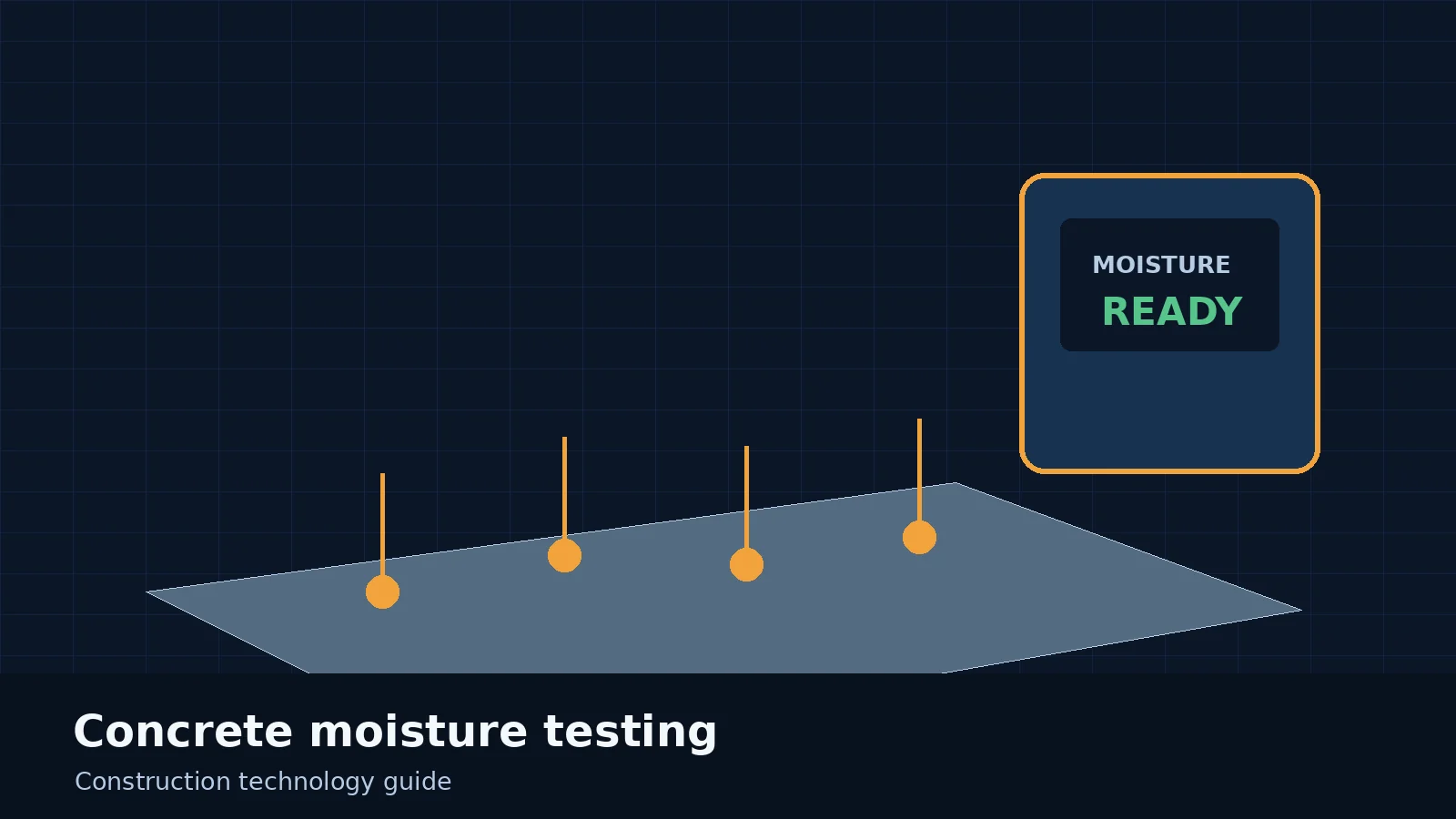
Why finished flooring decisions start below the surface
Wood, resilient flooring and many adhesives are sensitive to the condition of the concrete below them. A slab can look dry while still carrying moisture that may affect a floor system after installation. In-situ relative humidity testing provides a structured way to assess moisture within the slab before a finished floor is selected or installed. For a custom home, basement renovation or addition, the practical benefit is timing: the team can make decisions before an expensive finish is at risk.
What digital moisture records add
A testing program should follow the applicable manufacturer requirements and the methods selected by the project team. Digital records add traceability to that work. They can capture the test location, date, reading, ambient conditions, product requirements and supporting images in one place. Instead of a loose note with a number, the owner and contractor have a clearer record of what was measured, when it was measured and which flooring decision it informed.
Why New England projects need planning
Basements, additions and slabs poured during variable weather can have very different drying conditions. Ventilation, enclosure status, rain exposure, curing practices and the construction schedule all matter. The answer is not to assume a calendar date guarantees readiness. It is to plan the testing window around the actual project conditions and the flooring manufacturer guidance. This can prevent a rushed installation because another trade is ready to move on.
A coordinated workflow
The best time to discuss testing is during finish planning, not when flooring is delivered. The builder identifies floor areas and proposed products, then coordinates the testing method and locations with the installer or appropriate specialist. Results are reviewed against the product requirements. If the slab needs more drying time, conditioning or a compatible mitigation approach, the decision is made with the information available. The final record becomes part of the project closeout package.
What a result can and cannot tell you
A moisture test is a measurement at a specific place and time. It does not guarantee a building will never experience water or humidity problems. It also does not replace correcting drainage, vapor control or water-intrusion issues. The value is more focused: it helps the team verify whether conditions support a particular floor system before installation. That is a meaningful decision point, especially when the selected material has strict requirements.
Examples that change the conversation
Consider a finished basement with wide-plank engineered flooring. The homeowner sees the finished surface. The contractor sees a system that depends on the concrete, adhesive, humidity control and transition details working together. Or consider a new addition where the drywall schedule is moving quickly after a wet period. A documented test gives the team a factual reason to proceed, wait or adjust the sequence without guessing.
Questions to bring to the finish meeting
Ask which test method and acceptance criteria apply to the selected product, who is responsible for testing, how readings will be documented and what happens if a result is outside the product requirement. Also ask whether the project has adequate enclosure and environmental control before flooring arrives. These questions keep a design choice connected to the construction conditions that support it.
A better handoff for durable finishes
Technology does not make a floor durable by itself. Good substrate preparation, the right materials and qualified installation do that work. Digital concrete moisture records support those fundamentals by making the pre-installation decision easier to review. For homeowners who want a careful, durable result, that is the kind of detail worth planning before the finished floor becomes the focus.
Plan the record around the exact floor system
There is no universal moisture number that applies to every floor. Different products, adhesives and underlayments may have different installation requirements. The project record should name the proposed system and retain the relevant manufacturer guidance with the test result. This makes the decision more useful than a generic pass or fail label. It connects the actual finish selected by the homeowner to the condition of the substrate at installation time.
Coordinate conditions after the test
Testing is one point in a sequence, not the last task before flooring. The builder should also coordinate site protection, interior conditioning, delivery timing and the transition from wet trades to finish work. If the project conditions materially change, the team may need to reassess rather than relying on an old result. This is why a documented process matters. It supports judgment when the schedule and site conditions evolve.